Hiccapop
Hiccapop OmniBoost Travel Booster Seat with Tray for Baby, Dining
$28.183,000+ bought last month
View on Amazon
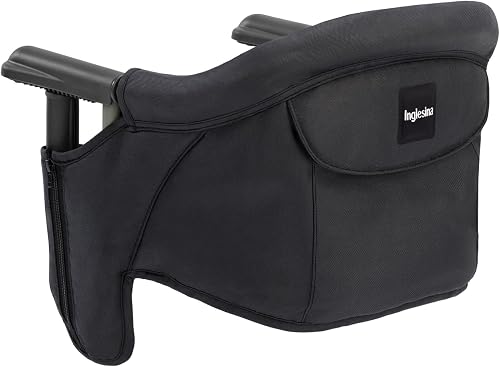
High chairs come in four main styles, and the right one depends on your space and how long you want it to last. Full-size chairs are freestanding with their own legs, usually recline for younger babies, and often convert into a toddler booster or youth chair later. The Graco 1927570 (4.7 stars across 26,972 reviews, $99.99) is a widely owned example of a full-size convertible. Fold-flat chairs collapse to a slim profile for storage in tight kitchens, like the Hiccapop (4.8 stars across 26,491 reviews, $28.18), the highest-rated chair in our catalog. Hook-on seats clamp directly onto a dining table, taking up zero floor space, which is ideal for small apartments and travel. The Inglesina Fast Table Chair (4.8 stars across 10,064 reviews, $63.20) is the most-reviewed hook-on option. Booster seats strap onto an existing dining chair to lift your child to the table, like the Ingenuity 11787 (4.7 stars across 10,177 reviews, $23.99). Knowing which type fits your kitchen before you compare features saves a lot of wasted time.
A chair's stated weight capacity and age range tell you how long it will serve your child before you outgrow it, so check both against your child's current size. Most full-size chairs list a capacity in the 33 to 50 pound range. The Evenflo 28122315 (4.7 stars, 15,600 reviews, $62.99) lists a generous 50-pound capacity and a toddler age range, which means it is built to carry a child well into the preschool years. Lighter boosters and hook-on seats tend to list lower limits: the Inglesina Fast Table Chair lists a 37-pound capacity and a 6 to 36 month age range, while the Ingenuity 11787 booster lists a 33-pound capacity and a toddler age range. Always confirm the stated capacity comfortably exceeds your child's weight and treat the manufacturer's age range as the authority on when a seat is appropriate. A chair rated to 50 pounds generally lasts from the start of solids through the preschool years, while a 33-pound seat may need replacing sooner.
Mealtimes with a baby are messy, and how easily a chair cleans is the single most repeated theme in high chair reviews. Seamless plastic seats with a removable, dishwasher-safe tray are the fastest to clean, because you lift the tray off and rinse it in the sink after every meal. Chairs built largely from plastic and polypropylene, like the Cosco HC216DWD (4.6 stars across 27,117 reviews, $39.99, the most-reviewed chair in our catalog), are popular for exactly this reason. If a chair includes a fabric seat pad, look for one that is removable and machine washable so trapped crumbs and spills do not become permanent. Solid-wood chairs such as the hauck 66117 (4.6 stars, 7,700 reviews, $114.99) look great and last for years but require hand-wiping rather than a quick tray swap. As a rule, the fewer seams and crevices a chair has, the less time you will spend cleaning it after each meal.
A high chair lives in your kitchen full time, so its footprint matters as much as its features, especially in a small home. Full-size chairs are the most stable and feature-rich but take up the most floor space; the Evenflo 28122315, for example, measures roughly 22 inches wide by 24 inches deep. Fold-flat chairs solve the storage problem by collapsing to a slim profile you can tuck beside a cabinet, and lightweight portable models make this easier still. The Infantino 203038-09 (4.6 stars, 15,938 reviews, $50.34) lists an exceptionally light 0.71-kilogram build, while the Bright Starts 17198 (4.6 stars, 9,930 reviews, $22.79) weighs just 3.78 pounds, both designed to move between rooms or fold away between meals. Hook-on seats have the smallest footprint of all because they attach to your table and store in a closet. If your kitchen is tight or you eat in different spots around the home, prioritize a chair that folds or travels easily over one with the longest feature list.
Younger babies just starting solids benefit from a slight recline and good back support, while older toddlers do better sitting fully upright at the table, so the number of recline and tray positions affects how long a single chair will work for you. Many full-size chairs offer multiple recline positions and several tray depths so the seat adjusts as your child grows. Height-adjustable models let you raise the seat to counter level or lower it to match your table, which helps in homes with bar-height counters. An adjustable footrest matters more than parents expect, because a supported foot position helps a baby sit stably and stay comfortable through a longer meal. Chairs designed around supported posture, like the Upseat 101 (4.6 stars across 7,780 reviews, $107.99), focus specifically on helping a younger baby sit upright. If you plan to use one chair across the full high chair age range, the range of recline, tray, and height adjustments is one of the features most worth paying for.
Every high chair should have a secure harness, and a 5-point harness that holds at the shoulders, hips, and between the legs offers the best protection against a child who tries to climb or stand. A crotch post or fixed center bar keeps a child from sliding down and under the tray. Stability comes from a wide leg base on full-size chairs and from a fully tightened clamp on hook-on seats, so always follow the installation instructions exactly and confirm a hook-on model is rated for your table type before using it. Buying a popular, deeply reviewed chair from a recognized brand is a reasonable starting point, but no chair is a substitute for supervision: a child should always be buckled in and never left unattended at the table. For a full walk-through of harnesses, clamps, and safe setup, see our high chair safety guide. Reading the harness and assembly instructions is what actually keeps mealtimes safe, regardless of the brand on the box.
Most babies are ready for a high chair around six months, which lines up with the age many families introduce solid foods and when a baby can typically hold their head up steadily and sit with support. Several chairs in this category list an age range starting at six months, such as the Inglesina Fast Table Chair and the Bright Starts model, both rated for 6 to 36 months. Full reclining chairs can sometimes be used a little earlier for supported feeding, but you should follow the manufacturer's stated minimum age and never seat a baby who cannot yet hold their head up. When in doubt about your individual child's readiness, your pediatrician is the right person to ask.
A full-size high chair is freestanding with its own legs, usually reclines for younger babies, and often converts into a toddler booster or youth chair as your child grows. The Graco 1927570 is a good example of a convertible full-size chair. A booster seat, like the Ingenuity 11787, has no legs of its own and straps onto a regular dining chair to lift your child to table height. Boosters are more compact, more portable, and usually less expensive, but they suit older babies who can already sit up well, and they typically list lower weight capacities. Full-size chairs offer more recline and tray adjustments and tend to last longer, while boosters win on space and price. The right choice depends on your child's age and how much room you have.
Chairs built largely from smooth plastic with a removable, dishwasher-safe tray are the easiest to keep clean, because you can lift the tray off and rinse it in the sink after every meal. Models like the Cosco HC216DWD, which lists a plastic and polypropylene build, are popular for exactly this reason. If a chair includes a fabric seat pad, look for one that is removable and machine washable so trapped crumbs and spills do not become permanent. Solid-wood chairs such as the hauck 66117 look great and last for years but require hand-wiping rather than a quick tray swap. As a rule, the fewer seams and crevices a chair has, the less time you will spend cleaning it.
It depends on the chair's weight capacity and your child's growth, but most families use a high chair from around six months until the child can sit at the table in a regular or booster seat, often between two and three years old. Chairs with higher weight limits last longer: the Evenflo 28122315 lists a 50-pound capacity, which generally carries a child into the preschool years, while a 33-pound booster like the Ingenuity 11787 may be outgrown sooner. Convertible full-size chairs that transform into a toddler booster or youth chair can stretch their useful life the longest. Check the stated capacity and age range against your child's size to estimate how many years of use you will get.
A footrest is more useful than many parents expect. When a baby's feet are supported rather than dangling, the child can sit more stably and tends to stay comfortable through a longer meal, which can make feeding easier for everyone. Many full-size chairs include an adjustable footrest that moves as your child grows, and chairs designed around supported posture, like the Upseat 101, emphasize this kind of stable seating position. It is not a strict requirement, especially for a quick booster used by an older baby who already sits well, but for a chair you plan to use across the full high chair age range, an adjustable footrest is a feature worth looking for.