High Chair Safety Guide: Setting Up and Using a High Chair Safely
Recommended picks


Always Use the 5-Point Harness
The harness is the most important safety feature on any high chair, and a 5-point harness that secures at both shoulders, both hips, and between the legs offers the best protection against a child who tries to stand, climb, or slide out. A crotch post or fixed center bar works with the harness to keep a child from sliding down and under the tray, which is a known hazard with seats that rely on the tray alone to hold a child in. Buckle the harness snugly every time you seat your child, even for a brief snack, and adjust the straps as your child grows so they stay secure without pinching. The tray is not a restraint: never rely on the tray to keep a child in place, because a determined toddler can push against it and slip underneath. Consistent, correct harness use is the single behavior most associated with avoiding high chair falls.
Set Up and Stabilize the Chair Correctly
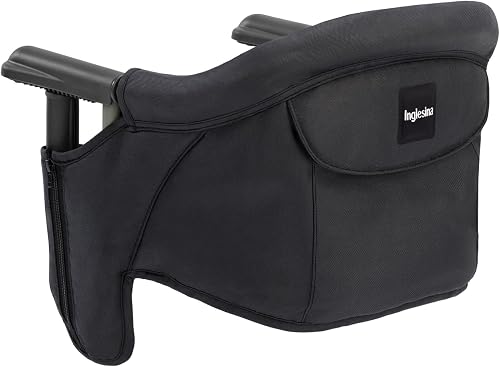
A chair is only as safe as its assembly, so follow the manufacturer's instructions exactly and confirm every part is locked before the first use. On full-size chairs, check that the legs are fully extended and locked, the seat is secured, and any folding or height-adjustment mechanism has clicked firmly into place. A wide leg base is what gives a freestanding chair its stability, so never use a chair with a wobbly or incompletely locked frame. On hook-on seats that clamp to a table, such as the Inglesina Fast Table Chair, the clamp must be tightened fully and the seat confirmed secure before each use; check that your table is a type the maker approves, and avoid glass, pedestal, or loose tabletops unless the instructions specifically allow them. On boosters like the Ingenuity 11787 that strap to a dining chair, make sure both the chair-attachment straps and the child harness are tight. If any chair feels unstable, stop and recheck the setup before seating your child.
Position the Chair Away From Hazards
Where you place the high chair matters as much as how you set it up. Position the chair away from walls, counters, tables, and other furniture that a child could push against with their feet or hands to tip the chair over, which is a common cause of high chair falls. Keep the chair clear of cords, blind pulls, curtains, hot surfaces like a stovetop or oven, and anything hot or sharp within a child's reach, since a seated baby can grab farther than parents expect. Place the chair on a flat, stable floor rather than a rug edge or uneven surface that could let it rock. If you use a hook-on seat, make sure there is nothing directly below where the child could brace their feet to push off the table leg. Giving the chair a clear zone of its own, away from walls and reachable objects, removes the leverage and hazards that lead to most tip-overs and grabs.
Never Leave Your Child Unattended
No high chair, harness, or safety feature replaces an adult watching the child, and most serious high chair incidents involve a child who was left alone even briefly. Stay within arm's reach during meals and snacks so you can respond immediately if your child leans, stands, or starts to choke. Because choking is a real risk at the table, learn what age-appropriate food sizes and textures look like for your child and keep an eye on every bite; offering soft, suitably sized pieces and never propping a baby up to eat alone are basic precautions. Keep older siblings from climbing on or pushing the chair, and resist the temptation to step away to answer the door or check a pot on the stove with a child still seated and unwatched. If you must leave the room, take the child with you. Supervision is the safety layer that backs up every feature the chair provides.
Inspect, Maintain, and Know When to Retire a Chair
A high chair takes daily wear, so inspect it regularly and keep it in good condition. Before use, glance over the harness straps and buckles for fraying or cracking, check that locking mechanisms still click firmly into place, and confirm the tray latches securely. Wipe the chair down after meals not just for hygiene but so you notice any developing cracks, loose hardware, or worn parts early. Tighten any hardware that has worked loose over time, and replace a frayed harness or broken buckle rather than working around it. Keep the chair within its stated weight capacity: the Evenflo 28122315 lists a 50-pound capacity and the Inglesina Fast Table Chair lists 37 pounds, and exceeding those limits stresses the frame. If a chair is cracked, missing parts, or no longer locks securely, retire it. For secondhand or older chairs, confirm there is no active recall before use, since safety standards and recalls change over time.
Common mistakes to avoid
- Skipping the harness for a quick snack, which is when most high chair falls happen.
- Relying on the tray to hold a child in place instead of buckling the 5-point harness.
- Placing the chair against a wall or counter the child can push off of to tip it over.
- Leaving a seated child unattended to answer the door or tend the stove, even for a moment.
- Failing to fully tighten a hook-on seat clamp or confirm the table is an approved type before use.
- Continuing to use a chair with a frayed harness, a cracked frame, or a latch that no longer clicks firmly into place.
Frequently asked questions
Is the harness really necessary if my baby sits still?
Yes. Even a baby who usually sits calmly can lean, twist, or push up without warning, and most high chair falls happen in the brief moments a child is left unbuckled. A 5-point harness that secures at the shoulders, hips, and between the legs holds the child safely in place and prevents them from sliding down under the tray. The tray itself is not a restraint and should never be relied on to keep a child seated. Make buckling the harness an automatic habit for every meal and snack, and adjust the straps as your child grows so they stay snug but comfortable.
Are hook-on table seats as safe as full-size high chairs?
A hook-on seat can be a safe and practical choice when it is installed correctly on a table the manufacturer approves. The Inglesina Fast Table Chair is one of the most-reviewed hook-on seats, with a 4.8-star rating across more than 10,000 reviews. The keys to safe use are tightening the clamp fully, confirming your table type is compatible, avoiding glass or pedestal tables unless the maker specifically allows them, and checking that the seat is secure before every use. You should also make sure your child cannot brace their feet against a table leg to push off. As with any high chair, always buckle your child in and stay within reach. Installed properly on a suitable table, a hook-on seat is a sound space-saving option.
How far should a high chair be from the wall or table?
Place the high chair far enough from walls, counters, tables, and other furniture that your child cannot reach them with their hands or feet, because pushing off a nearby surface is a common way chairs tip over. There is no single official distance, but a practical rule is to leave the chair a clear, open zone of its own where the child cannot grab or brace against anything. Keep that zone free of cords, blind pulls, hot surfaces, and reachable objects as well, since a seated baby can stretch farther than you might expect. Positioning the chair on a flat, stable floor away from reachable surfaces removes the leverage that leads to most tip-overs.
When should I stop using a high chair or replace it?
Stop using a high chair if it is cracked, missing parts, no longer locks securely, or has a frayed harness or broken buckle, and replace worn parts rather than working around them. Also retire a chair once your child exceeds its stated weight capacity; for example, the Evenflo 28122315 lists a 50-pound limit and the Inglesina Fast Table Chair lists 37 pounds. Most children move on from a high chair somewhere between two and three years old, often to a booster at the family table. For a secondhand or older chair, check that there is no active recall before use, since safety standards and recall notices change over time. When in doubt about a chair's condition, it is safer to replace it than to keep using it.
What are the biggest high chair safety risks to watch for?
The most common risks are falls, tip-overs, and choking. Falls usually happen when a child is unbuckled, so consistent harness use is the main defense. Tip-overs happen when a child pushes off a wall, table, or counter, so position the chair in a clear, open space on a stable floor. Choking is a feeding risk rather than a chair design issue, so offer age-appropriate food sizes and textures and watch every bite. Less obvious risks include a child grabbing a hot or sharp object within reach, an older sibling pushing the chair, and a hook-on clamp or folding mechanism that was not fully locked. Supervision backs up all of these: staying within arm's reach during meals lets you respond before a near-miss becomes an injury.